

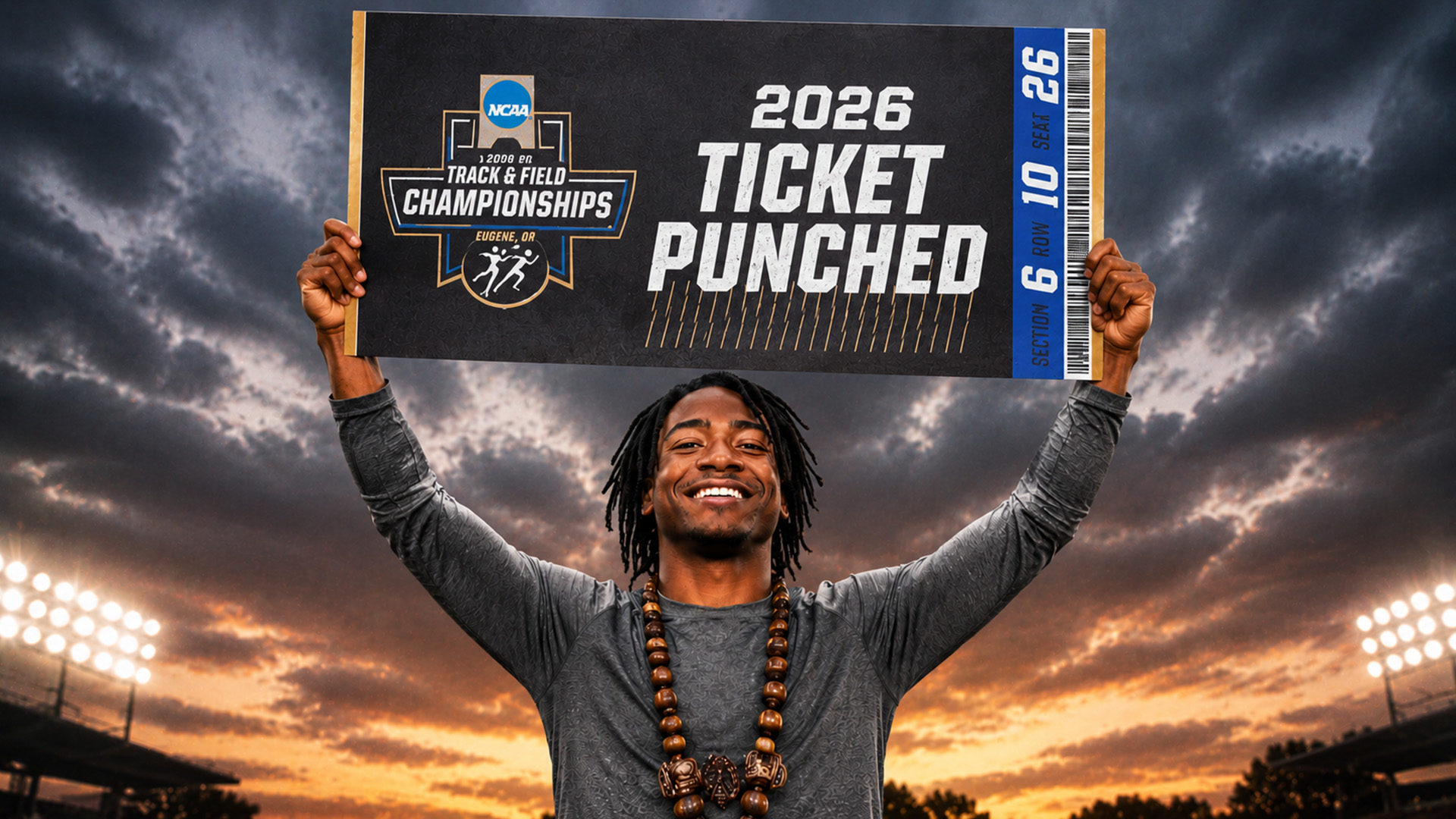
How to watch HBCU athletes on Wednesday at NCAA Championship

Share
The Real Talk
HBCU athletes at the NCAA Championship are not just competing; they’re representing institutions that have been systematically underfunded yet consistently over-delivering. When Black excellence shows up, the world better pay attention.
Box Score Read
When HBCU athletes hit the track or field, it’s not just talent running—it’s legacy sprinting with receipts.
Why The Locker Room Cares
Visibility for HBCU athletes at national championships challenges exclusionary narratives and opens doors for future opportunities.
💎 クリスタル Take
When HBCU athletes step onto the national stage, it’s not just about competition; it’s about representation, history, and the refusal to be erased. ” That’s the energy we need to carry with us as we watch these young men do their thing on Wednesday, because make no mistake — the mainstream sports world will celebrate their performances but rarely acknowledge their context.
Let’s start there. HBCUs have been producing world-class athletes since day one, but those athletes often had to fight harder, sacrifice more, and perform at extraordinary levels just to be noticed. It’s not because they lacked talent or drive. It’s because systemic racism has long devalued Black institutions, including Black collegiate sports programs. The NCAA stage is flooded with money, prestige, and media coverage, but HBCU athletes are too often treated like guests at a party that’s really theirs.
Historically, HBCUs were the only places Black athletes could thrive, or even compete, when segregation kept them locked out of predominantly white universities. Schools like Howard, Tuskegee, Southern, and Prairie View A&M built athletic programs that didn’t just nurture talent—they were breeding grounds for Black excellence. Yet, as integration opened doors, those same institutions saw their brightest stars poached by bigger, richer, whiter schools that could offer resources HBCUs couldn’t match. And here’s the rub: the pipeline of talent was never the issue. HBCUs have always had the athletes; what they lacked was the investment. Systemic inequality makes sure of that.
So when we talk about watching HBCU athletes compete at Nationals, it’s not just about tuning in. It’s about holding space for the history they carry and the barriers they continue to break. These young men aren’t just competing for themselves or their schools—they’re competing for legacies. They’re competing for Eddie Robinson, Althea Gibson, and all the forgotten heroes who paved the way but didn’t get their shine. They’re competing to remind us, once again, that the institutions they represent are more than worthy of national attention, investment, and respect.
Yet, as integration opened doors, those same institutions saw their brightest stars poached by bigger, richer, whiter schools that could offer resources HBCUs couldn’t match.
And let’s be real about the stakes. HBCUs are still fighting for funding, still battling a sports media culture that doesn’t know how to tell their stories without flattening them into clichés. When we show up to watch, it’s not just fandom. It’s solidarity. It’s saying to these athletes, “We see you. ”
But the “so what” is bigger than just showing up. Watching HBCU athletes is one thing; advocating for their programs is another. Where’s the sponsorship money that puts HBCU games on prime-time television? Where’s the push for equity in NCAA funding? Black athletes from HBCUs shouldn’t have to climb uphill to compete on the same stage as athletes from richer schools—they deserve a level playing field. And that’s a community fight, not just an athletic one.
So as Nationals kick off, let’s bring the energy. Celebrate the wins, yes, but don’t forget the context. Watching HBCU athletes is an act of reclamation, a reminder that the spotlight they’re stepping into was built on the brilliance of Black institutions. Let’s make sure we keep the focus where it belongs—not just on the athletes, but on the schools, the legacies, and the structural change still needed to give HBCU sports the respect they’ve earned tenfold. Because when one of us shines, it’s a victory for the whole community. And that’s the real championship.